Week 3 - References
- beesleyferguson
- Jun 21, 2020
- 1 min read
Updated: Jun 28, 2020
Stein, J. and Graham, C., 2014. Essentials For Blended Learning. New York: Routledge.
“The critical factor in blending a course enters on selecting each mode – online or onsite – to take advantage of their strengths and diminish their weaknesses.” P115
“You can’t learn a skill just by watching a video or reading a book – you have to actually attempt the skill yourself.” P128
“To help students to transfer what they learn to real-world situations, we should design activities that are authentic, or as close to real-world experiences as possible.” P128
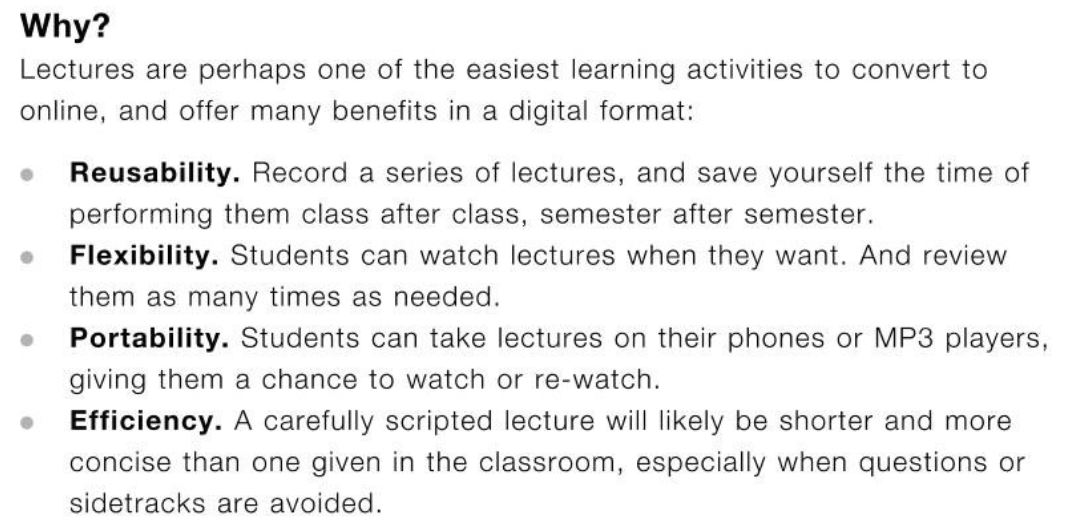
“Content-driven activities tend to benefit from online delivery, providing teachers the flexibility to move a significant amount of traditionally onsite activities online.” P136
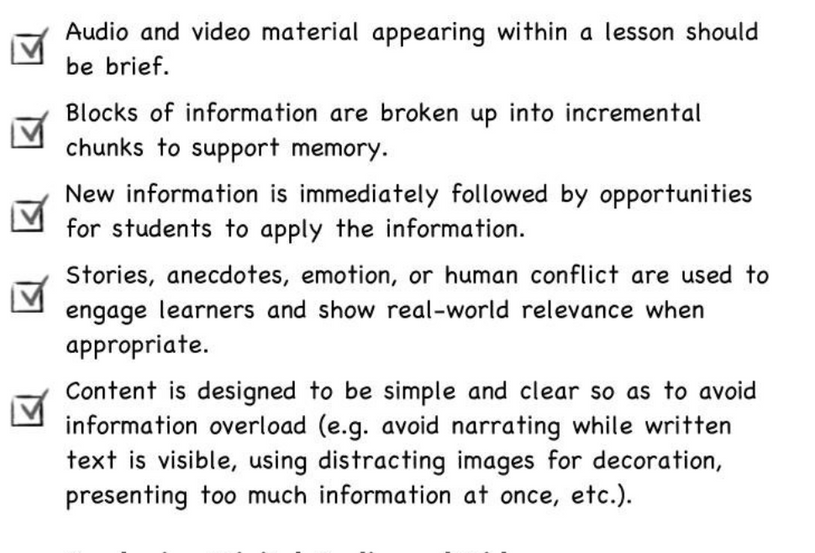
“All presentation of new information should be followed by activities that give students a chance to test their knowledge and apply learning.” P136
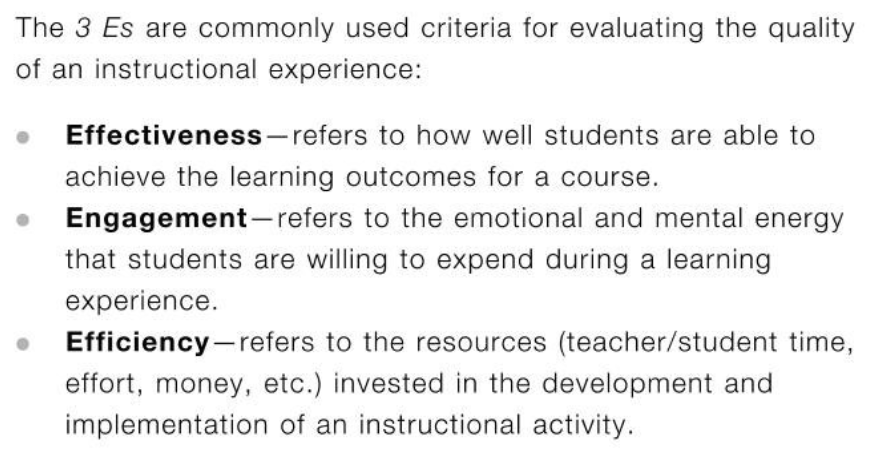
“Instruction that does not engage learners will not be effective in the long run. This is especially true in blended courses, as moving activities online may increase the sense of distance between student and classmates.” P51
“Oftentimes, instruction, particularly online instruction, tries to focus entirely on the cognitive (mind) aspects of learning and overlooks the affective (heart) elements of learning.” P52
“High levels of engagement between students and peers, the instructor, and well-designed content.” P64








Comments